Targeting oil and gas infrastructure in war is not just dangerous- it is fundamentally wrong.
The ongoing Iran-Israel-US conflict has crossed a troubling threshold. Energy, once treated with a degree of restraint even in war is now becoming a deliberate target. This shift carries consequences far beyond the battlefield.
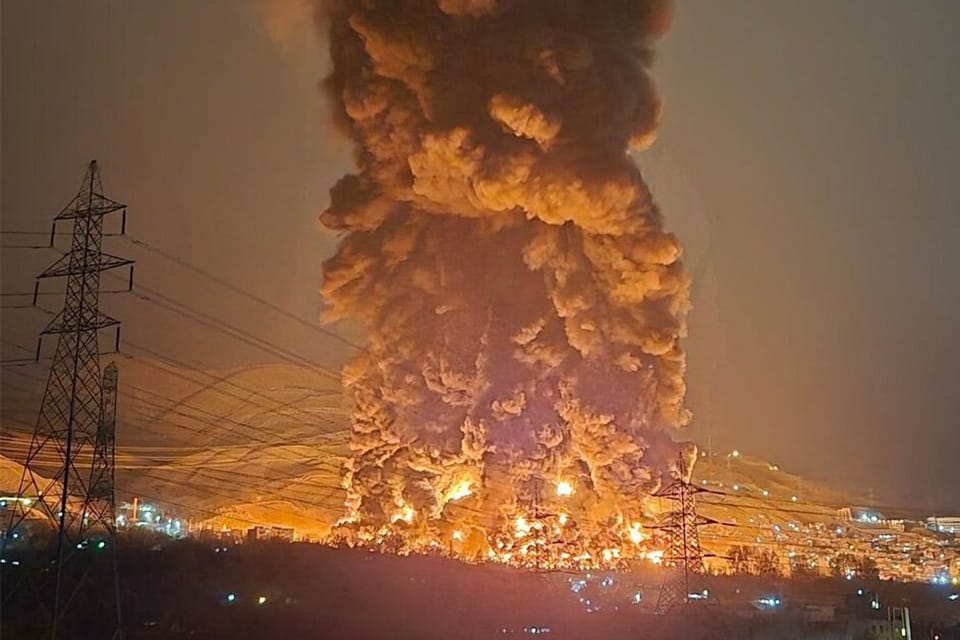
In March 2026, the conflict escalated sharply when Israeli strikes hit Iran’s South Pars gas field, the largest in the world, disrupting production and halting supplies to neighbouring countries. Iran responded in kind. Missile and drone attacks targeted energy infrastructure across the Gulf, including a strike on Qatar’s Ras Laffan LNG hub, one of the most critical nodes in global gas supply. Earlier in the conflict, a major Saudi oil refinery at Ras Tanura was also targeted by drones, forcing temporary shutdowns and rerouting of exports.
At sea, the situation has been equally alarming. The Strait of Hormuz through which nearly one-fifth of global oil flows has faced severe disruption, with naval deployments, mining threats, and attacks on shipping pushing energy markets into turmoil.
This is no longer a regional war. It is a war that is directly targeting the arteries of the global economy.
A Resource Beyond Borders. Oil and gas may lie beneath the soil of specific nations, but their role transcends geography. They power industries, move goods, sustain agriculture, and enable modern life. When a gas field is bombed in Iran, electricity generation suffers. When an LNG hub in Qatar is hit, energy prices rise in Asia and Europe. When shipping through Hormuz is disrupted, fuel costs surge worldwide. The damage is not local. It is global.
We have seen this before. The 1991 Gulf War saw burning Kuwaiti oil wells choke the atmosphere for months. The 2019 attacks on Saudi Arabia’s Abqaiq facility temporarily knocked out a significant share of global oil supply overnight.
The lesson is clear- energy infrastructure is too critical to be treated as expendable.
The Thin Line is Now being Crossed. What makes the current conflict especially concerning is that this line, once informally respected is now being eroded. Even when the United States struck Iran’s Kharg Island, a key oil export hub handling nearly 90% of Iran’s crude exports, it consciously avoided hitting oil infrastructure, citing restraint.
But that restraint is now weakening.
The strike on South Pars and the retaliation against Gulf energy facilities mark a dangerous shift from signalling capability to actually targeting global energy systems. Once this norm collapses, it may not return easily.
The Strategic Illusion. From a military standpoint, targeting energy assets may appear to be logical. It weakens the adversary’s economy, disrupts logistics, and imposes pressure.
But this is a strategic illusion.
Energy markets are interconnected. Disruptions affect allies, neutrals, and even the attacker. Price spikes, supply shortages, and economic instability spread rapidly across borders. In the current conflict, oil prices have surged sharply, and global markets have reacted instantly to every strike on energy infrastructure. What appears as tactical success may eventually result in strategic blowback.
A Blow to the Future. There is a deeper cost that is often ignored. Oil and gas reserves are finite. Destroying them in war is not just an act against an adversary, it is an irreversible loss for humanity.
Damaged reservoirs, burning wells, and disrupted production systems can take years, even decades, to recover. The cost is borne not just today, but by future generations.
At a time when the world is already grappling with energy transitions and sustainability challenges, such destruction is both irresponsible and short-sighted.
Towards a Doctrinal Restraint
The world has, over time, evolved norms in warfare which include protecting civilians, cultural heritage, and certain categories of weapons. It is time to extend that thinking to critical global resources. Energy infrastructure, especially oil and gas should be treated as protected assets, not legitimate targets. Let this not sound like idealism. It is strategic imperative.
Safeguarding energy systems ensures stability, prevents economic shocks, and reduces the risk of escalation. It is in the interest of all nations, and humanity.
In Conclusion, we all understand that war has always been destructive. But not everything must be destroyed. Oil and gas are not just national assets. They are part of the shared foundation of modern civilisation. Our magazine’s March Apr issue cover is an attempt to showcase the contrast between modern civilisation and its destruction in the background ..To weaponise them is to harm not just an adversary, but the world itself.
Let wars be fought, if they must, but let them not be fought at the cost of humanity’s lifelines
Ashwani Sharma, Editor-in-Chief, South Asia Defence


 Login
Login




Very well written, Col Sharma
Thank you Sir